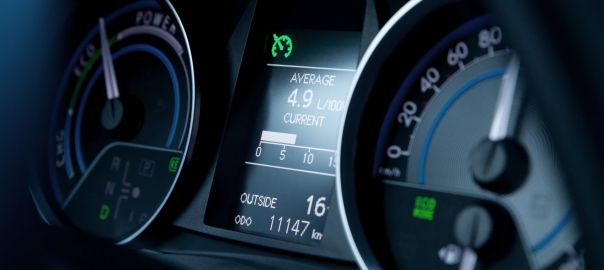
When choosing a vehicle, we usually pay a lot of attention to the engine’s fuel consumption in question. This aspect is perhaps one of the biggest determinants when buying a car or van, let alone rental issues since it is an “extra expense” that is added to the price of having a vehicle. However, we look a lot at the engine’s needs, but we totally neglect our good work to consume less. In most cases, our way of driving determines a greater or lesser consumption, and ultimately, a greater or lesser cost to our pocket. That is why we want to share with you a series of tips that will come in handy to reduce the consumption of your vehicles, also having a double benefit: your financial savings and the reduction of pollution.
Our tips for saving fuel consumption
Correct travel planning: Sometimes, 10 minutes of your time before, you can save hours later (and euros). When we travel or when we go somewhere, it does not matter if it is in your own city, it is important to see how to get there and the available routes. Knowing the route and traveling the shortest KM possible will facilitate savings. Also, enjoying more direct routes where you can manage your engine’s demand will also help you a lot in the task of saving. Driving ten more minutes in a one-hour journey has about a 15% increase in consumption.
Tire pressure: It may seem ridiculous when it comes to gasoline or diesel consumption, but tire pressure significantly impacts fuel consumption. With the right pressure, the reduction in consumption is estimated to be up to 5%.
Load only what is necessary: The more weight the vehicle has, the more power the engine will need, so consumption will increase. Check your luggage well, organize your needs well, and put only what you really need in the trunk. On long trips, peaks due to excess load can mean a high extra cost of fuel.
Starting and shifting gears: We’ve all seen those famous car racing movies where before going out for a run they step on the gas 20 times. Well, we highly recommend not doing it since you are wasting fuel for nothing. In addition, the first gear is the one that consumes the most since it is the one that uses the most force from the engine, so you should only use it when leaving your parking lot. No more than 5 seconds, you should need to shift into second gear.
Do not make sudden changes in speed: The more constant you maintain the speed, the less consumption you will make. Avoid unnecessary acceleration or hard braking. Cruising cars save a great deal of fuel by keeping the exact speed unchanged for most of the way. Try not to leave the engine idle, if you are in a traffic jam or a long stop, it is better to turn it off and start again.
Optimized gearshift: The less revved the engine, the lower consumption. We recommend that in a diesel vehicle, the gear change is made between 1500-2000rpm while in gasoline, between 2000 and 25000rpm.
Use the engine to brake and take advantage of the descents: Taking your foot off the accelerator and letting the same engine brake the car helps reduce fuel consumption. In addition, on slopes such as hills or descents, take advantage of the inertia of the car and the speed it already has to let it go as much as possible.
If you are traveling in Pakistan, contact Carlay Car Rental to rent a car in Islamabad. They offers best car rental services at affordable prices.
 The Analog Blog